The Baltic Infrastructure Advantage
We bridge the gap between premium Northern quarries and European infrastructure projects through high-capacity logistics with third-party auditability.
Low-Emission Logistics
We select suppliers who are committed to promoting environmental awareness.
Technical Validation
Every batch undergoes necessary analyses according to the buyer’s requirements.
Flexible Shipping Capacities
Typical vessel sizes range from 4,000 to 6,000 tonnes, but we can accommodate shipments from 1,500 up to 100,000 tonnes.
Granite Stone
Essential Uses
Buildings and structures
Paving and landscaping
Decorative and architectural use
Introduction
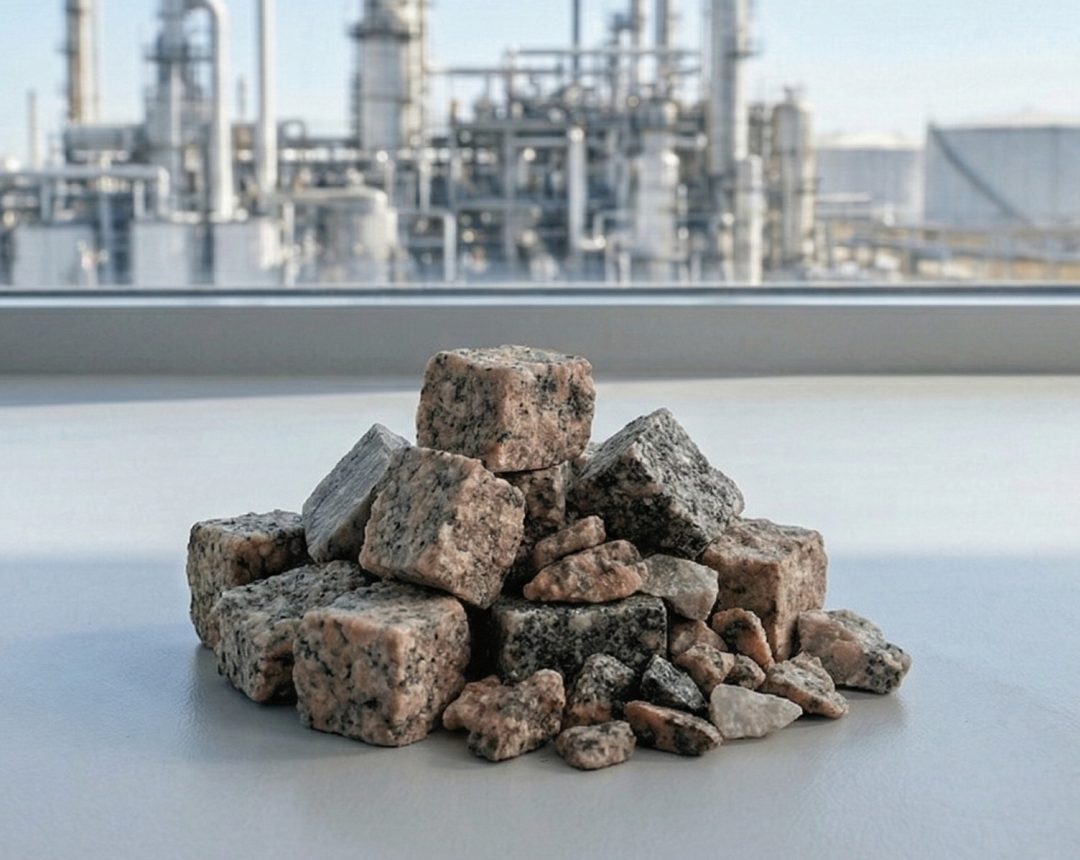
Granite is widely used in construction and landscaping projects, including building facades, paving, curbstones, and monuments. Its durability makes it especially suitable for high-traffic areas and outdoor environments, while its aesthetic appeal adds value to architectural and design projects.
Timeless Strength, Forged by Nature.
World-renowned for its incredible hardness, granite is a premier igneous rock that combines structural durability with architectural elegance.
Extreme Durability — One of the hardest materials on Earth; naturally resistant to scratches, heat, and frost.
Sustained Quality — Naturally resistant to acids and water, making it a low-maintenance, long-lasting investment.
Bespoke Aesthetics — Every slab is unique, offering a distinct granular texture and a wide spectrum of natural colors.
Introduction
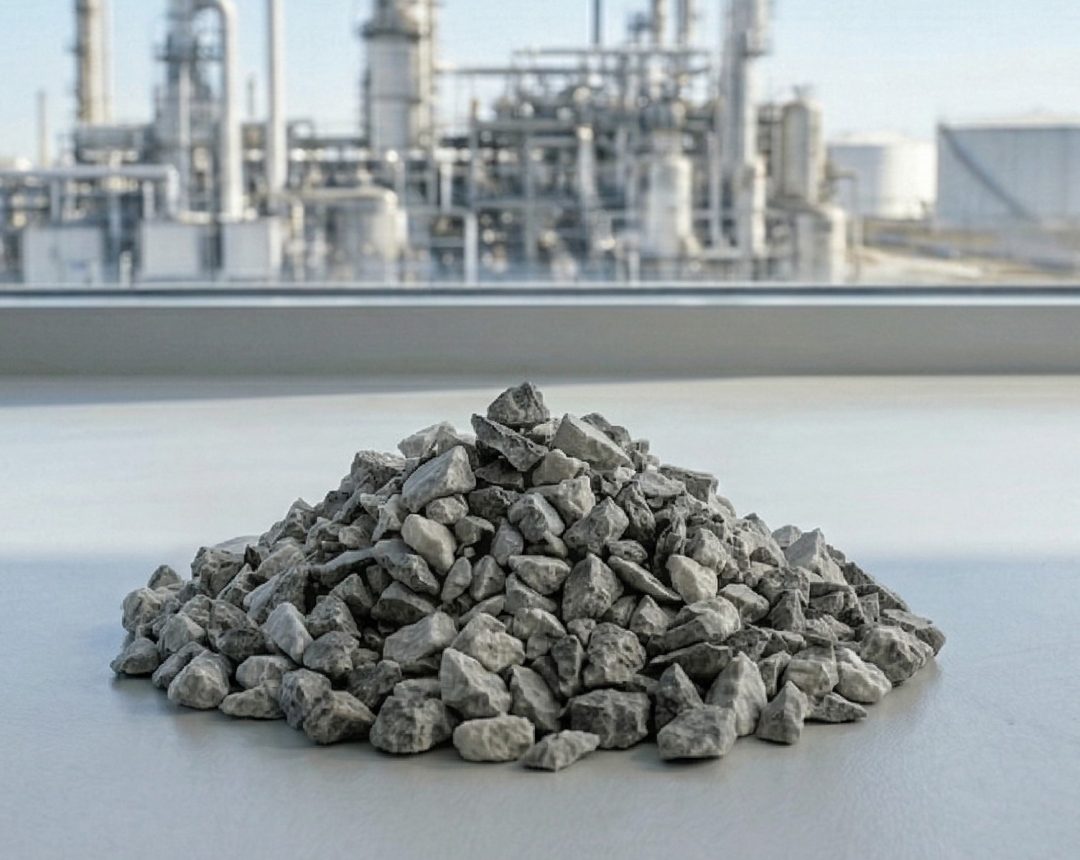
It is commonly used as a base material for roads, driveways, and foundations, as well as in drainage systems and concrete production. Crushed stone is valued for its strength, reliability, and cost-effectiveness, making it one of the most widely used materials in the construction industry.
Crushed Stone
Essential Uses
Road base and infrastructure
Concrete and asphalt production
Drainage and filtration systems
The Mechanical Backbone of Infrastructure.
Mechanically processed for maximum performance, our crushed stone features sharp, angular edges designed to interlock and provide superior structural stability.
High-Load Stability — The “locking” effect of angular edges provides a rock-solid foundation for heavy-duty industrial loads.
Precision Sizing — Available in various fractions—from fine stone dust to large ballast—to suit specific structural requirements.
Infrastructure Critical — The go-to material for high-strength road bases, concrete production, and structural fill.