The Trans-Caspian Advantage
As global trade demands more predictable and alternative routes, the Middle Corridor has emerged as a strategic necessity. By crossing the Caspian Sea and moving through the Caucasus and Turkey, we bypass traditional bottlenecks to deliver raw materials directly to the EU heartland.
Verified Origin
We ensure total transparency of counterparts and production origin to meet strict regulatory and banking requirements.
EU Standards
Product-specific compliance, including SDS/CLP and unified customs documentation, is integrated into every shipment.
The Shipment Dossier
We standardize every delivery with an auditable document package, ensuring full bankability and verified quality responsibilities.
Green Petroleum Coke
Essential Uses
Fuel for industrial energy
Raw material for calcination
Gasification
processes
Introduction
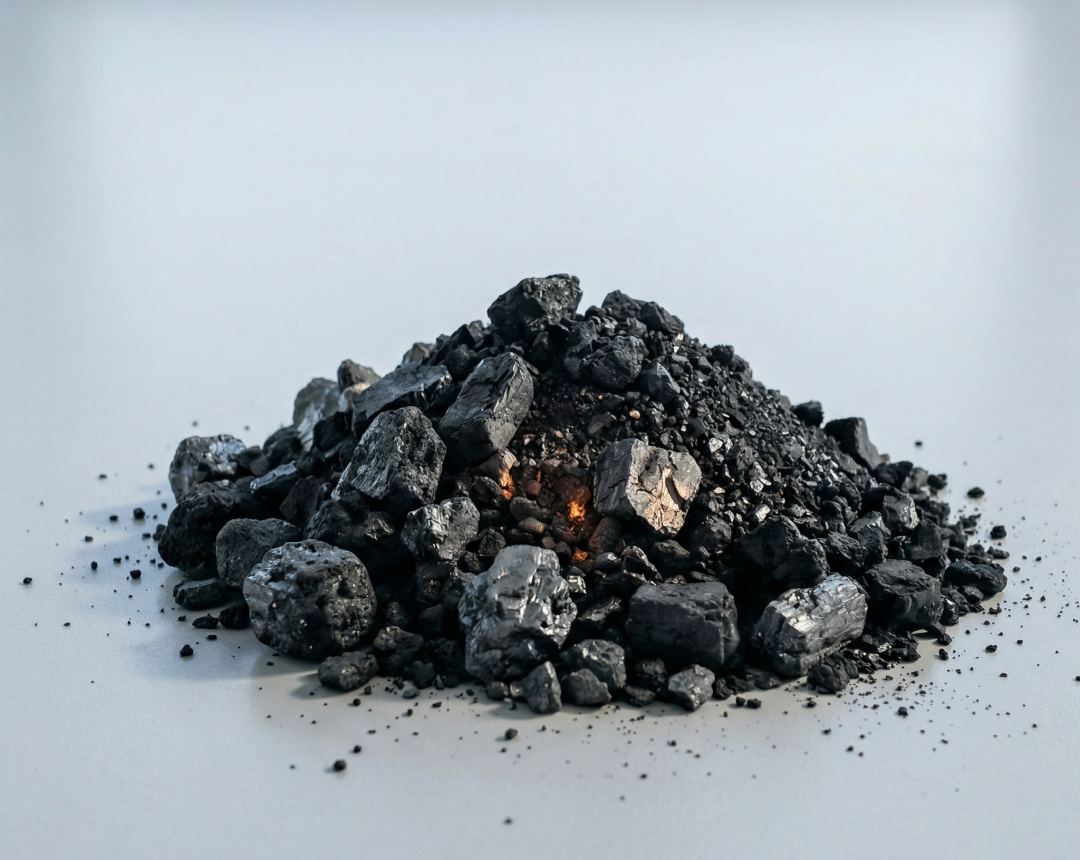
Green Petroleum Coke (GPC) is a carbon-rich solid material derived from oil refining processes, specifically from the coking unit. It is called “green” because it has not undergone further heat treatment. GPC typically contains a high percentage of carbon along with residual hydrocarbons, sulfur, and moisture. Its properties can vary depending on the crude oil source and refining conditions.
GPC is primarily used as a fuel in power plants, cement kilns, and other industrial applications due to its high calorific value. Certain grades of GPC are also used as a raw material for further processing into higher-value products, especially in the production of calcined petroleum coke. Its cost-effectiveness and energy efficiency make it a widely utilized fuel alternative in heavy industries.
Raw Energy. High Value.
GPC is the primary carbon byproduct of oil refining. While called “green” because it is unprocessed, its value lies in its raw energy density.
High Energy — Superior heating value compared to traditional coal.
Low Ash — Minimal residue for cleaner, more efficient industrial combustion.
Strategic Dual-Use — Ideal as a cost-effective fuel for cement kilns or as the base material for high-purity anode production.
Introduction
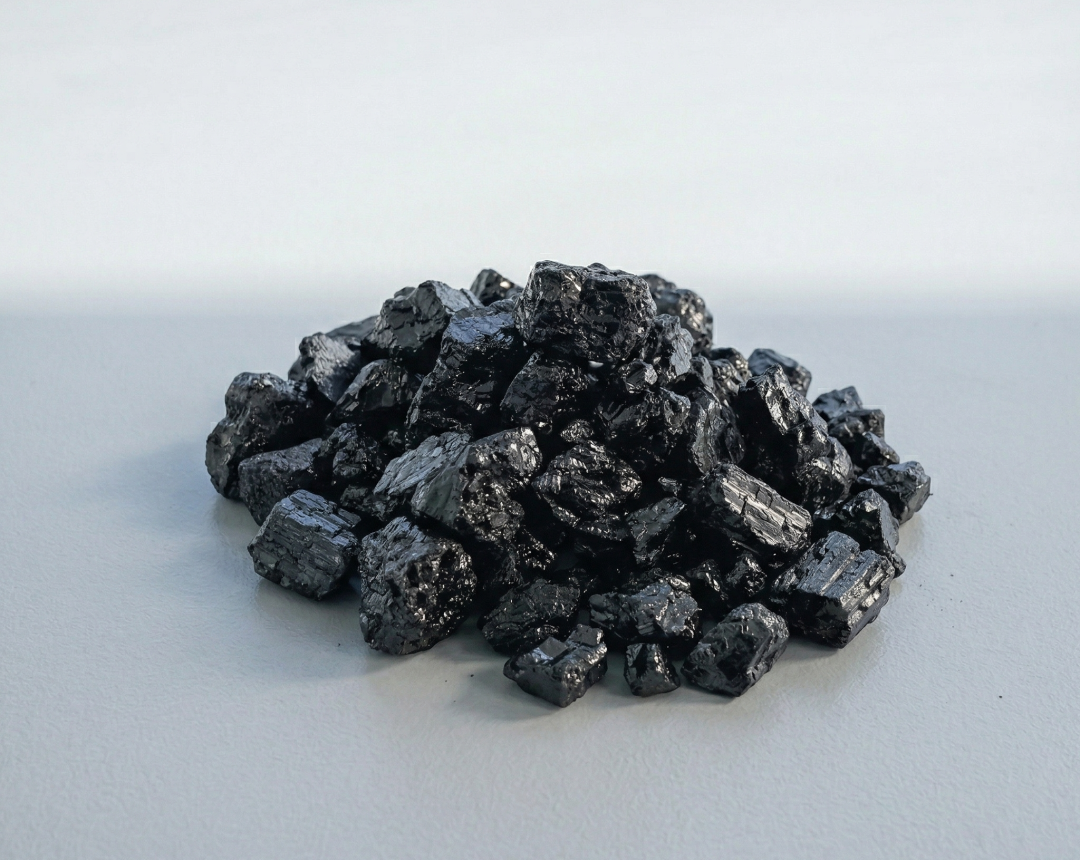
CPC is widely used in the aluminum industry as a key component in the production of anodes for aluminum smelting. It is also used in the manufacturing of graphite electrodes, titanium dioxide, and various metallurgical applications. Compared to GPC, CPC offers higher carbon purity, better electrical conductivity, and lower levels of sulfur and volatile compounds, making it essential for applications that require consistent quality and performance.
Calcined Petroleum Coke
Essential Uses
Aluminum
production
Graphite electrode manufacturing
Metallurgical applications
Ultra-Pure Carbon. High Integrity.
CPC is engineered by heating GPC to 1400°C, removing all moisture and volatile matter to create a specialty industrial raw material.
98%+ Carbon Purity — Extremely low volatile matter for precision industrial applications.
Superior Conductivity — High thermal and electrical conductivity, essential for electrode manufacturing.
Critical Industrial Input — The industry standard for aluminum smelting and as a vital carbon raiser in steelmaking.